
I went to a good public high school, but my senior year a nearby school in the district closed, and my school absorbed its students.
Their advanced students joined our honors classes, and two things were clear: 1. The kids were just as smart as us. 2. Their education — at a public school just a few miles away — had not been as rigorous.
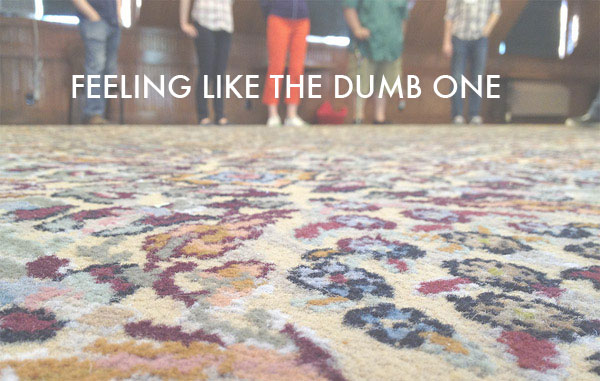
One girl joined our English class, and in the first two weeks it was obvious she was crazy bright and crazy frustrated. One day, our teacher used the word symbolism, and this girl kind of lost it.
“We don’t know what that means!” she said. “You guys know a lot about things we’ve never learned.” I leaned over, and said, “We barely know this. They just started talking about it at the end of last year.”
But she shook her head and pressed her lips together. “I don’t think I belong in this class,” she said. “You do!,” I said. “You’re smart! You’re really smart.” And she was.
But the next day she dropped the class.
IT’S NOT ABOUT IQ
I’ve been thinking about this because I recently learned that lots of American kids start kindergarten with a huge disadvantage that has nothing to do with their intellect, and everything to do with a shared vocabulary.
By age four, American kids from high-income families have heard about 30 million more words than kids on welfare, and 15 million more than kids in working class families.
Kids on the lucky end of the word gap obviously have an easier time understanding teachers and making themselves understood, an easier time learning to read, and other benefits that give them a leg up — the perception of a higher IQ than their low-income counterparts. The advantages persist into high school and beyond.
I’ve seen how much vocabulary disparities affect high school students, seen adults who feel stupid when they don’t know what a word means in a business meeting. I can’t imagine how frustrating it must be for a four year old.
COMMON SENSE
Closing the Word Gap means a cultural shift toward investment in kids – and who’s against this, really? We need more early nutritional programs, support of family stability, and widespread access to early learning in preschools or at home.
China has made such a substantial investment in early childhood education that they should have more college graduates in 2030 than the total size of our workforce in the States.
Fortunately, the biggest impact we can have individually is completely free. We need to treat babies more like little people.
When we see babies or toddlers, we should be talking to them, making eye contact, and reading whenever we get a chance. It lights up their little brains, and makes everyone’s future a little shinier too.
RESOLVED
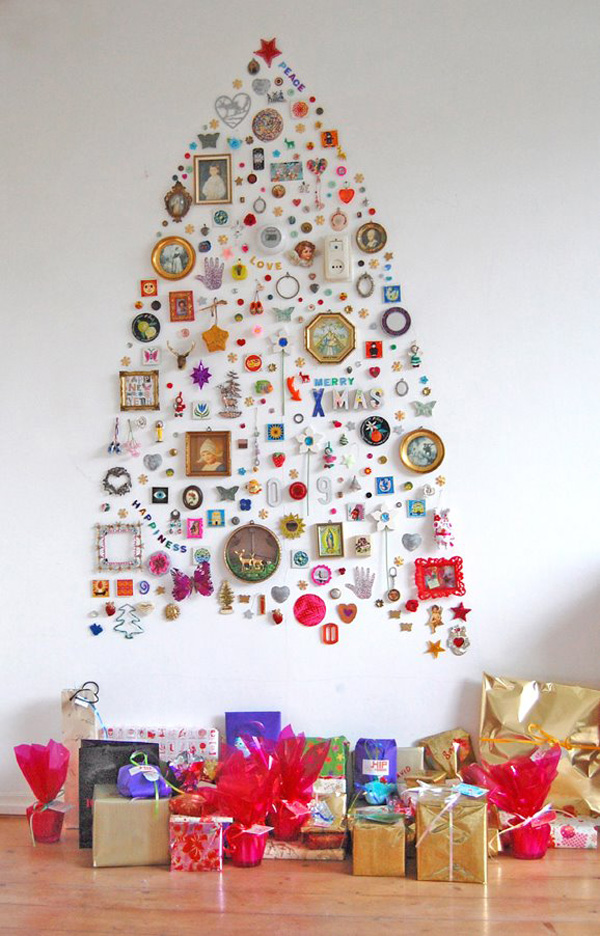
In anticipation of the coming New Year, I made some parenting resolutions for myself. I’ve been exposed to a great deal of parenting research lately, and it turns out I’m finding new and creative ways to arrest my child’s potential. More eye contact! Less Mario!
Anyway, have a look:
Family Resolutions, 2014
If you’ve been doing anything to be a better parent, godparent, aunt or uncle, let us know in comments.
If you like this post, you might also like:
Too Small to Fail: Bedtime
Teaching My Kid to Light Stuff on Fire
This post is part of the Too Small to Fail initiative, sponsored by Next Generation and the Clinton Foundation. They’re working to close the Word Gap, and I’m on board. More info here.









 Mighty Girl